Some homeschool seasons are light, fun, and full of unit studies and library trips.
This summer is not that season for us.
Two of my children have dyslexia, and honestly… we can’t afford to ignore the gaps anymore.
So instead of trying to “stay on grade level” or fill our summer with Pinterest-style learning, we are slowing down and focusing on something more important: the actual skill gaps my kids still need support with.
This is what remedial homeschooling looks like in our home this summer.
Why We’re Focusing on Remediation
In homeschool spaces, you often hear:
- “They’ll catch up eventually.”
- “Just keep reading aloud.”
- “Don’t worry about grade level.”
And for some children, that is absolutely true.
But for children with learning differences like dyslexia, ADHD, or ongoing skill deficits, gaps don’t always close on their own.
I’ve learned that ignoring them only leads to more frustration later—especially in reading and math.
This summer, I’m choosing a different approach: not rushing forward, but strengthening the foundation. Because in our home, the gaps matter.
My Oldest: Comprehension and Study Skills
For my oldest, remediation doesn’t look like basic phonics or math facts anymore.
It looks like comprehension support and learning how to process information more effectively.
This summer, he is working through:
- Visualizing and Verbalizing (for comprehension and mental imagery)
- Victus Study Skills System for organization and learning strategies
At this stage, he doesn’t just need academic content. He needs tools for how to learn.
We are focusing on things like:
- breaking down assignments
- improving comprehension
- building independence
- strengthening study habits
Remedial work for older kids looks very different than it does for younger ones.
My Younger Son: Math Fact Fluency
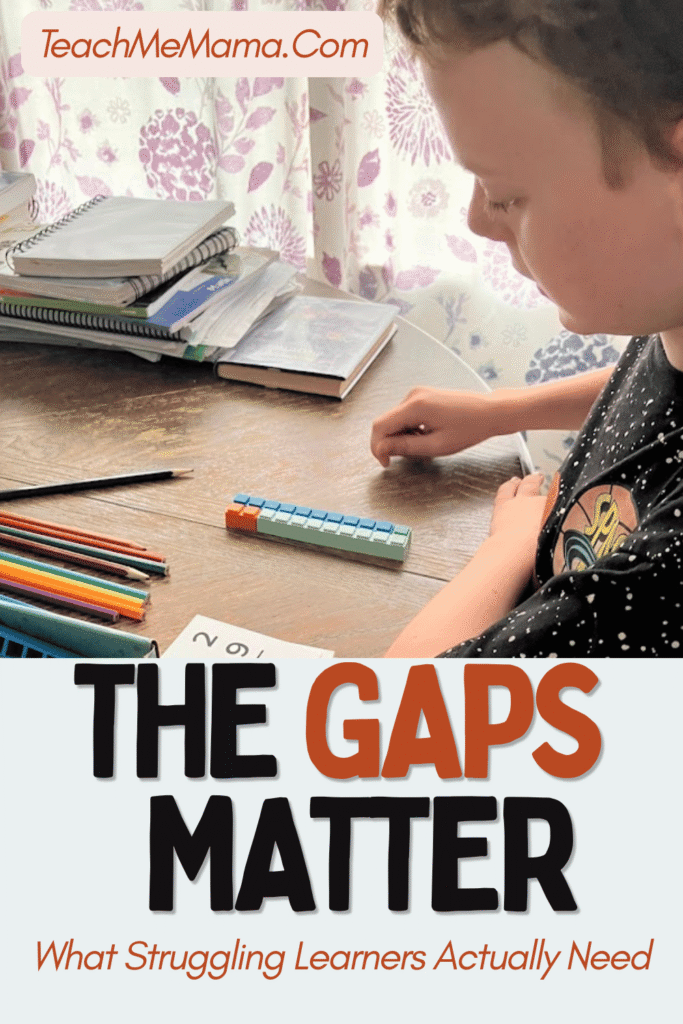
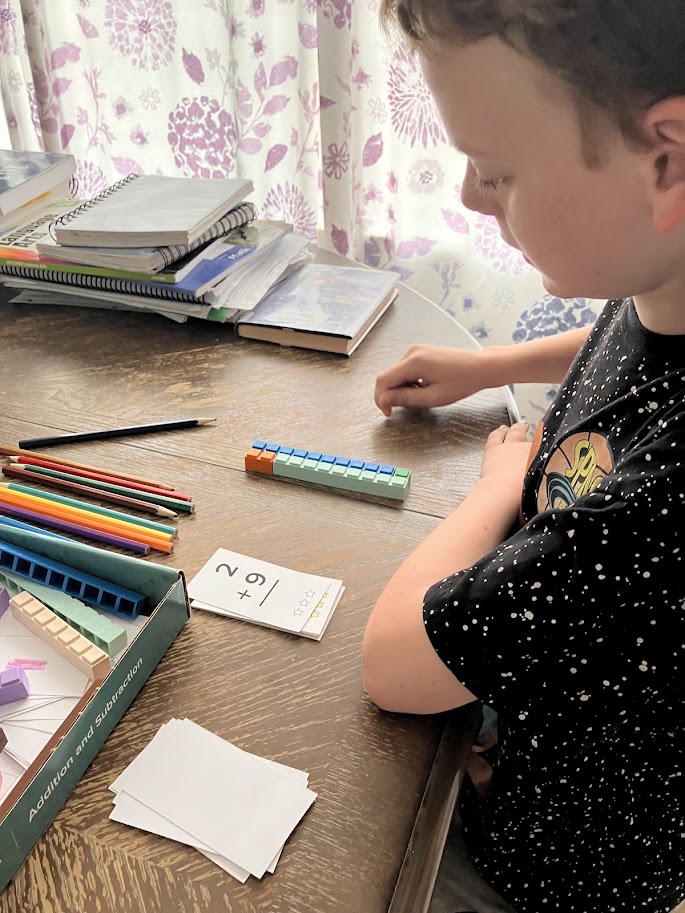
My younger son struggles with math fact fluency, so we are going back to the basics this summer.
Instead of pushing ahead into harder math, we are focusing on automaticity and confidence with basic facts.
He is using:
The goal right now is not speed or advanced concepts.
It is repetition, confidence, and mastery of foundational math skills.
Because he doesn’t need harder math right now—he needs his math facts to stick.
My Younger Daughter: Early Reading Foundations
My younger daughter is still in the early stages of learning, so her remediation looks very different.
Right now we are focusing on:
- rhyming activities
- phonological awareness
- playful early literacy games
This is not formal schoolwork. It is intentional, gentle skill-building that strengthens early reading foundations before bigger struggles develop.
Remedial work does not always mean worksheets or structured curriculum. Sometimes it looks like play.
Brain Integration Therapy as a Long-Term Support
We are also incorporating Brain Integration Therapy by Dianne Craft as a shared family focus this summer. This isn’t a short-term add-on for us—it’s something we will likely continue working on for years. All of our children will be participating in it in different ways as we work on strengthening attention, processing, and foundational learning skills alongside our academic remediation.
What Our Summer Routine Looks Like
This is not a full school day.
We are keeping things simple and realistic:
- short sessions
- during naptime for the toddlers
- consistency over intensity
- space for rest and summer life
The goal is not to recreate the school year.
It is to slowly close gaps without burnout.
The Gaps Matter
I know there is a lot of encouragement in homeschool spaces around trusting the process and letting kids develop at their own pace.
And I agree with that—up to a point.
But I also believe there are seasons where we have to be honest about what is not working and intentionally step in.
For us, this is that season.
We are not behind.
We are rebuilding foundations.
And this summer, the gaps matter.
Save for Later
Take a deep breath! Save this for later and come back when you’re ready.