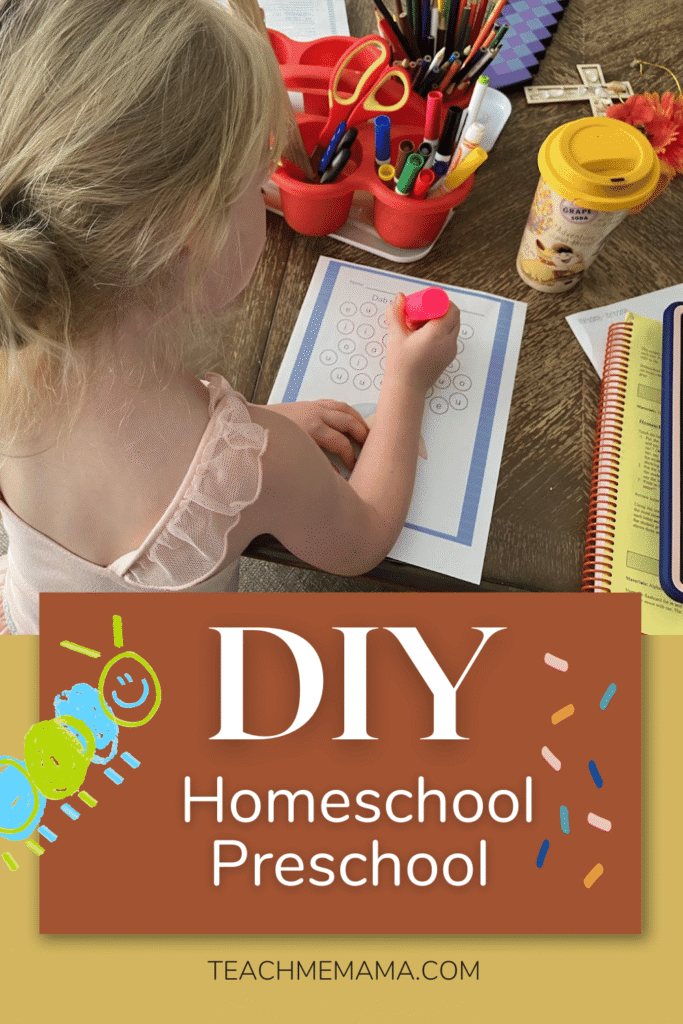
Creating your own preschool homeschool curriculum doesn’t have to be overwhelming, expensive, or complicated. In fact, preschool should be gentle, playful, and rooted in hands-on exploration—not rigid worksheets or sit-down lessons.
Whether you’re a first-time homeschool parent or simply want a more natural approach to early learning, this guide will show you how to design a simple, joyful preschool year at home.
Why Create Your Own Preschool Homeschool Curriculum?
Designing your own preschool homeschool curriculum allows you to:
- Teach at your child’s pace
- Follow their interests
- Keep learning hands-on and developmentally appropriate
- Save money by using items you already own
- Build a relaxed family rhythm instead of a strict schedule
The preschool years are about connection and curiosity—not checking boxes. A parent-designed curriculum often fits these goals far better than a boxed program.
Step-by-Step: How to Make Your Own Preschool Homeschool Curriculum
1. Choose a Simple Weekly Rhythm
Preschool thrives on routine, not rigid structure. Create a weekly flow that balances play and gentle learning. Example:
- Monday: Nature day
- Tuesday: Library + read-alouds
- Wednesday: Art + sensory play
- Thursday: Early math play
- Friday: Letters + fine motor activities
This rhythm keeps things predictable without pressure.
2. Focus on Short, Hands-On Activities
At this age, 10–15 minutes of guided learning is plenty. Prioritize activities such as:
- Playdough letters
- Nature walks
- Counting with toys
- Water play
- Cutting practice
- Sensory bins
- Simple crafts
Hands-on play builds real understanding and keeps preschool engaging.
3. Use What You Already Have
A budget-friendly preschool homeschool curriculum doesn’t require fancy supplies. Useful items include:
- Blocks
- Picture books
- Crayons and markers
- Playdough
- Puzzles
- Stickers
- Beads or buttons
- Recyclables (egg cartons, cardboard, lids)
A “learning shelf” stocked with everyday materials can go a long way.
4. Build in Daily Read-Aloud Time
Reading aloud is the foundation of any preschool homeschool curriculum. It builds vocabulary, attention span, and early literacy skills far more effectively than worksheets.
Aim for 20–30 minutes total per day, broken up into small chunks. Choose books your child loves, even if they want the same one every day.
5. Add a Simple Bible Time to Your Day
If faith is part of your home, weaving Bible time into your preschool homeschool curriculum can be gentle, sweet, and age-appropriate. Bible time should feel like connection, not a formal lesson. A simple 5–10 minutes is plenty.
Here are easy ways to include it:
- Read one short Bible story each morning
- Talk about a simple truth from the story (God is kind, God made the world, Jesus loves us)
- Sing a worship song or memory verse song
- Do a hands-on activity like coloring a picture, acting out the story, or nature journaling about God’s creation
Bible time helps build a strong spiritual foundation while keeping learning playful and developmentally appropriate.
6. Follow Your Child’s Interests
If your preschooler loves trucks, butterflies, farms, or dinosaurs—use those interests to guide your themes.
Interest-led learning makes planning easier and keeps your child excited about their homeschool days. It also nurtures curiosity and joy.
Preschool Learning Goals to Guide Your Curriculum
These gentle goals help you structure your preschool homeschool curriculum without turning it into formal schoolwork.
1. Early Literacy Goals
- Recognize letters (uppercase and lowercase)
- Understand letter sounds
- Enjoy books and stories
- Retell simple events from a story
- Practice name recognition and name writing (if ready)
2. Early Math Goals
- Count to 10 or 20
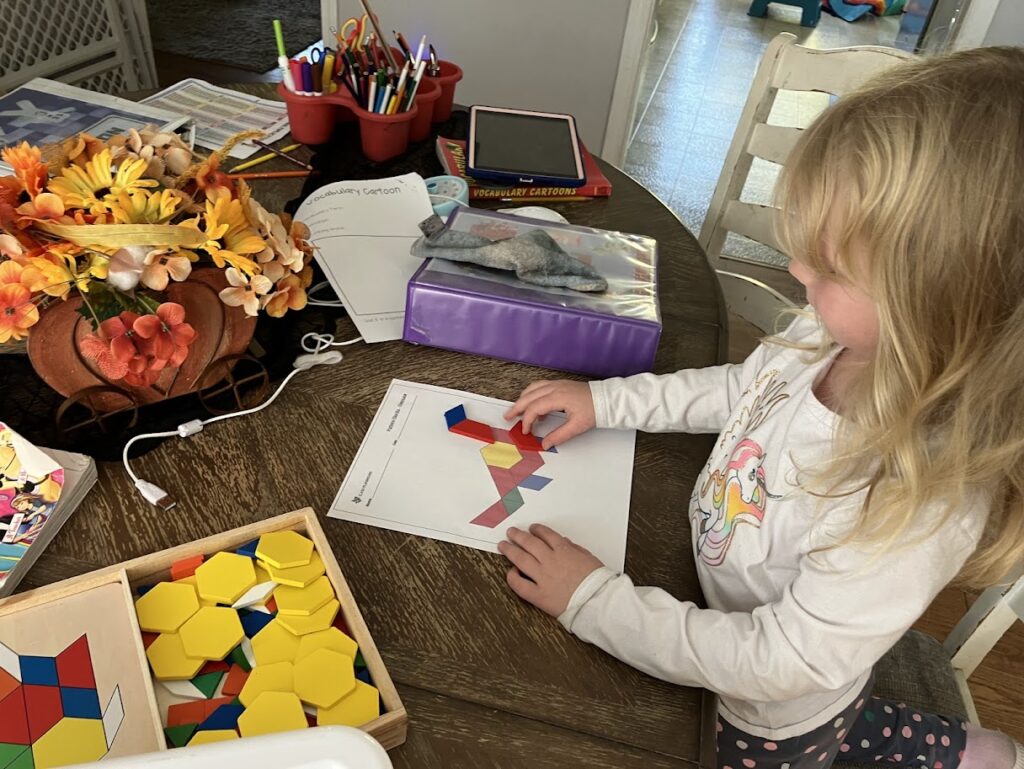
- Identify basic shapes
- Understand simple patterns
- Sort objects by size, shape, or color
- Compare quantities (more/less)
3. Fine Motor Development
- Cutting with kid-safe scissors
- Tracing lines and shapes
- Building with blocks
- Using playdough
- Buttoning, zipping, and other self-help skills
4. Gross Motor Development
- Running, jumping, climbing
- Throwing and catching
- Balance and coordination skills
- Outdoor exploration and nature play
5. Social & Emotional Development
- Taking turns
- Practicing simple routines
- Expressing emotions with words
- Building independence
- Engaging in pretend play
6. Practical Life Skills
Preschool is the perfect time to build real-life confidence. Include simple chores:
- Helping fold washcloths
- Setting the table
- Watering plants
- Tidying toys
- Pouring water into a cup
These tasks are invaluable for building independence.
Sample Daily Preschool Homeschool Routine
Here’s an easy, gentle routine you can start using right away:
Morning
- Read-aloud (5–10 minutes)
- Short activity: letters, math, nature, or art
- Free play
Afternoon
- Outdoor play
- Sensory or craft activity
- More free play
Evening
- Storytime and snuggles
This structure keeps learning light and joyful.
You Can Build a Preschool Homeschool Curriculum You Love
Creating your own preschool homeschool curriculum is simple, affordable, and incredibly rewarding. With a gentle routine, hands-on activities, and clear preschool learning goals, you can give your child a rich early-learning experience—without pressure or overwhelm.